10 Things Everybody Has To Say About Cabin Beds Single Cabin Beds Single
Cabin Beds Single Cabin beds are a great addition to any room for a child. They're a great option to maximize vertical space, and often include storage areas or desks. These extra features offer functionality and flexibility, making sure that your child's room is always fully stocked. For example, some models like the Julian Bowen Cookie mid sleeper bed come with a pull out desk area. This will help your child with their artistic projects and homework. 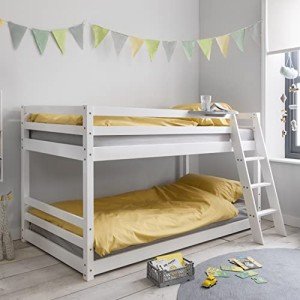 Space-saving Design A cabin bed is perfect for smaller bedrooms and maximises space by elevating the sleeping area above the floor, freeing up valuable storage or study areas underneath. Some models even have integrated desks, perfect to create a separate study space for older children. Some beds come with accessories like play tents to create the ultimate bedroom or tunnels where kids can sleep in. The unique design of a cabin bed implies it can be used for a variety of purposes, making it a great option for families with busy schedules. The raised sleeping platform also lets toddlers climb into their beds independently encouraging self-reliance and confidence in their abilities. This is particularly beneficial for young children who are making the transition from a crib to a bed, and helps them develop an appreciation for independence. Another benefit of a cabin bed is the storage space it provides, with a variety of designs with built-in drawers, cupboards or shelving units underneath the bed. This lets you keep your space neat and tidy, and it is a great spot to store books, toys and clothes. Some beds also have pull-out desks that allow you to transform the room into a study or homework station easily. Cabin beds are a popular choice by both toddlers and older children. But, like all types of furniture for rooms with children, safety considerations and age guidelines must be followed. Parents should evaluate their child's physical coordination and maturity before introducing this type of bed. If you're looking for a more sophisticated option you can consider a 3 Sleeper Bunk, which features two beds that are single in the upper and lower sleeping zones, and the space beneath fitted with an ottoman sofa that can be converted into a guest bed for sleepovers. These beds are perfect for families with growing children who require a versatile space-saving design and have a minimalist design that can be paired with a variety of bedroom aesthetics. A majority of these beds have adjustable features that let you modify your bedroom as your child grows. Options like removable guardrails or convertible furniture pieces allow you to adjust furniture to meet the changing needs of your child. Versatility Beds are the most crucial piece of furniture for children. Children need more than a good night's rest. They also want to be able to play and explore their interests, study and display their toys and collections. For this reason, many parents find a cabin bed the perfect solution. These multi-purpose bedroom options maximize space and offer various designs. Often featuring a bed that is elevated and with plenty of storage options underneath single cabin beds provide the perfect combination of study, sleeping and play zones. The mid-sleeper cabin bed is an extremely popular option. It comes with a mattress that is raised just enough to allow furniture such as couches and desks to be positioned underneath. This creates a multi-functional study, play, and sleep space in the same room which saves the floor space and clutter. Another alternative is a low sleeper cabin bed, which is similar in appearance to the mid sleeper, but with less of a storage area. Both styles can be configured with storage units and drawers to meet the storage needs of the child. This makes it easier for the child to keep their room clean and organized. Some models come with desks that can be removed when it's homework time. This helps them to remain focused on their studies and keeps all their stationary, books and other things within reach. These desks are perfect for kids who need an exclusive study space but don't have the room for a large chair or desk. As children develop, their bedroom needs to changes. It is important to select furniture that can be adapted to changing conditions. Cabin beds are a great solution and most come with adjustable or removable desks that can be repositioned or removed when needed. This flexibility makes them a great choice for children of all ages and can help you avoid having to buy numerous new beds as your child gets older. With a myriad of styles and designs to pick from There's a cabin bed that is suitable for every child. There are many different types of kid's beds, from simple functional designs to beds that incorporate themes to stimulate imagination and imagination. Safety Most cabin beds have the rounded corners and smooth surfaces to minimize the chance of injuries. They also tend to be constructed of durable materials that support the weight of a child safely. Parents should ensure that the mattress fits snugly into the frame of the bed. There should be no gaps, which could pose an entrapment risk. A majority of quality cabin beds are designed to fit standard twin or full mattresses, while some offer the option of adding extra features like built-in desks, or storage areas. Another advantage of cabin beds is that they offer children a fun and interactive play area where they can rest and work. This helps them develop essential life skills while enjoying the excitement of their new space. They may even instill a sense of adventure and promote an organized bedroom which helps keep clutter at bay. Cabin beds can be used by all ages, even teens. While children are likely to be the primary users of the cabin bed, they may be a great option for teenagers who want more compact, functional bedrooms. Time4Sleep provides a variety of cabin beds that come with numerous storage options. These can be tailored to suit the needs of any age. When deciding whether an appropriate cabin bed for your child, you need to consider safety considerations and follow the recommended guidelines for ages. Children must be at six years old or older for a high sleeper or mid sleeper cabin bed. This will ensure they are physically and confidently able to climb up and out of the bed with ladders and steps. If you're thinking of buying a bunk bed for your young child, make sure that the bed is built with additional safety features such as wide, sturdy ladders or smaller stair-style access methods. These measures will ensure that your child can enjoy their new bed in a safe manner. It also helps protect them from any accidents or injuries that may be caused by climbing in and out of the mattress. Long-Term Value If they're designed for children or adults The right bed can help them sleep well and lead a full life. Beds aren't just places to rest; they're multi-functional places for study, play and storage. While bunk beds provide the space-saving benefits of multiple sleeping spaces single beds offer classic comfort and versatility. Both are suited to different styles of rooms and have distinct advantages and drawbacks. It's crucial to balance initial cost against the long-term value of the best bed for the patient. A traditional single bed is cheaper but it doesn't have the same functions as a mid-sleeper bed or a cabin. Many cabin bed designs include desk space for a table or computer as well as clever storage compartments in order to maximize the floor space. The themed cabin beds like ones inspired by castles and treehouses can also inspire imagination and add a sense of fun to any room. Another factor to consider when choosing between a single or cabin bed is the amount of storage space required. Cabin beds can offer plenty of storage space with built-in shelves, drawers and bookcases to keep kids organised. childrens cabin beds will free up space for books, toys, and clothing, which can also help to keep the bedroom clean and tidy. It's also important to consider the way a child feels about the size of a bed in a cabin. Although many children are enthralled by the idea of creating their personal castle-inspired rocket ship or rocket ship however, they must be able to climb up and down the ladder safely. Children should be prepared to sleep in a cabin or a mid-sleeper when they're at least six years old, as this will ensure that they're mature enough to stand on the upper platform without risking injury. The two types of kid's cabin beds provide a good amount of value and a variety of features that make them suitable for bedrooms of all sizes. Ultimately, it's up to the facility manager to determine which bed is the best for their patients. With so many aspects to take into account such as the age and mobility of the child, it's crucial to evaluate each option thoroughly.